From Intensive Support Back to School: Building a Transition Plan That Lasts
Written by Katie Graves, PhD
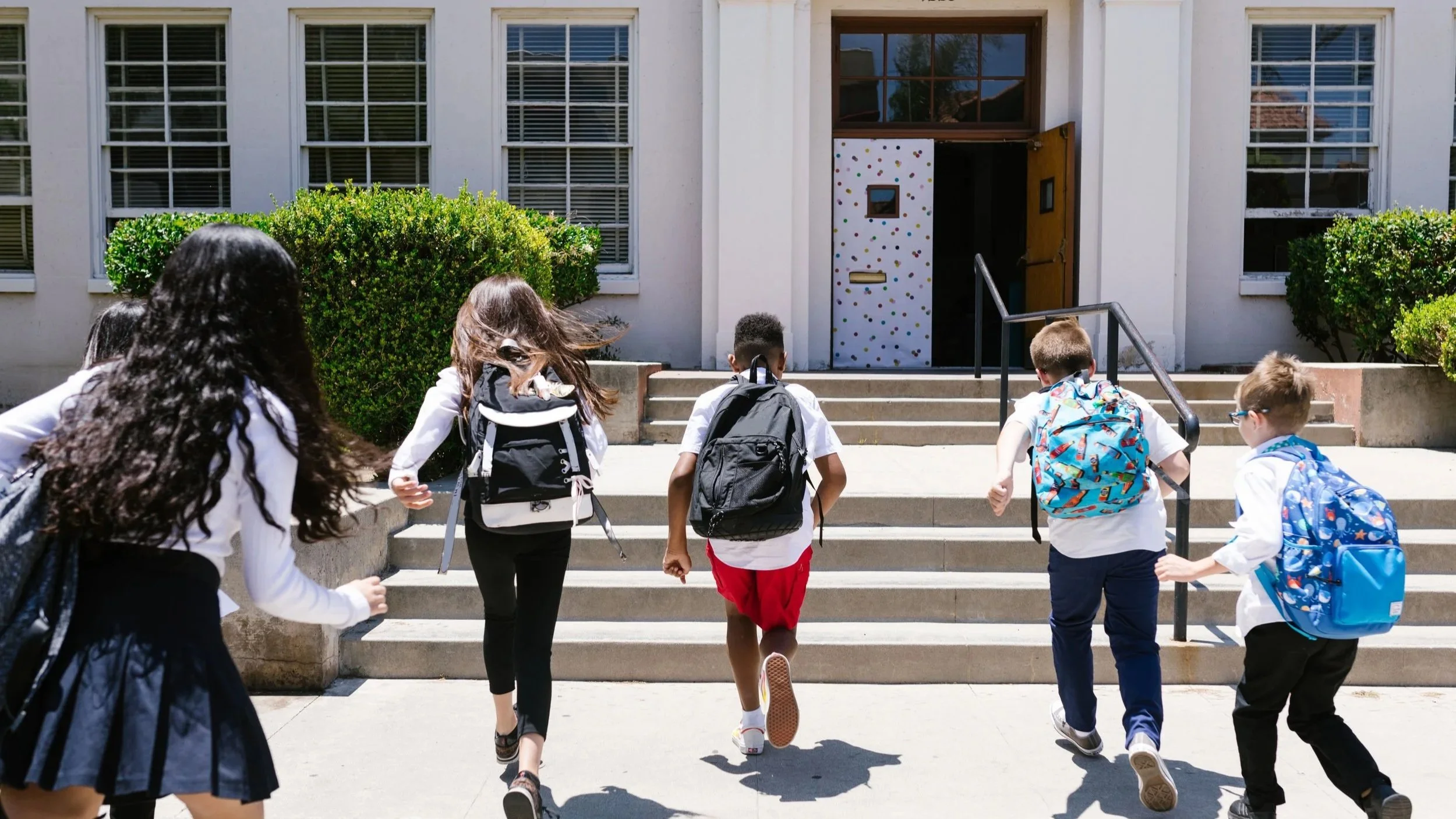
Transitions are hard for everyone; adults can struggle to move from one phase to another, and students can especially struggle. Even positive changes can bring uncertainty and new demands. For a student leaving an alternative placement, returning to school involves much more than changing where learning takes place. The student may face a larger environment, a longer day, more peers, and different expectations. That is why a return to school should not begin with a discharge date; it should begin with a transition plan. A strong transition plan bridges the intensive program and the school day. It helps the student practice needed skills and, most importantly, prepares staff. Although every plan should be individualized, the following components can help teams create a successful return.
Start Planning Early
Transition planning should begin well before the student leaves the intensive program. Waiting until the final week can lead to rushed decisions, incomplete communication, and gaps in support. Instead, the intensive program, school team, family, and student should begin discussing the return as soon as it becomes a realistic goal. Early planning gives the team time to ask: What has helped the student succeed? Which situations remain difficult? What supports can the school provide? Who will be responsible for each part of the plan? The team should identify a tentative timeline that can change based on student data.
Define Readiness in Observable Terms
Readiness should not be based only on whether a student has completed a certain number of weeks in the program. The team should identify observable indicators that suggest the student is prepared for a less intensive setting. Indicators might include participating in instruction for increasing periods, using a coping strategy with less prompting, completing academic tasks, tolerating changes in routine, recovering after frustration, asking for a break, or interacting safely with others. Academic readiness also matters so the student does not return to work that is inaccessible or unnecessarily repetitive. Readiness does not mean perfection. Students do not need to demonstrate every skill independently before returning. Instead, the team should determine whether the student can succeed with supports the school can realistically and consistently provide.
Identify What Is Working and Make It Portable
An intensive program often provides individualized strategies that help a student succeed. Before transition, the team should identify which of those supports are essential and decide how they will transfer to the classroom. This information may include effective reinforcement systems, visual schedules, break procedures, communication supports, instructional strategies, sensory supports, preferred activities, de-escalation practices, and successful responses to early signs of distress. The plan should describe these practices clearly enough that a new staff member could use them. At the same time, teams should avoid trying to recreate the intensive program inside the school. The goal is to identify the most important support features and adapt them to the school’s routines, staffing, and environment. A strategy is only useful if it can be implemented consistently.
Build a Gradual Reentry Schedule
When possible, reentry should occur gradually rather than moving immediately from full-time intensive support to a full school day. The student might begin with a school visit, meet key staff, tour important locations, or participate in one preferred class. The schedule can then expand to include more classes, less-preferred activities, unstructured times, and longer periods at school. The sequence should be individualized. Lunch, passing periods, transportation, assemblies, and arrival or dismissal may be more challenging than classroom instruction, so these parts of the day deserve intentional planning. The team should identify how long each step is expected to last and what data will indicate that the student is ready for the next step. A gradual plan should still move forward. It should not unintentionally become a reduced-day placement without regular review, clear criteria, and a plan for increasing access to instruction.
Prepare the Receiving School Team
Successful transition depends on adult readiness just as much as student readiness. Teachers, paraprofessionals, administrators, related service providers, and other relevant staff should understand the student’s strengths, needs, goals, and support plan before the student returns. Transition plans should not assume that students will be successful independently; instead, they should identify and build in the supports students can use to succeed. Whenever possible, intensive-program staff should model effective strategies, observe the school setting, and help the receiving team practice. Written plans matter, but coaching and feedback help staff implement supports accurately and confidently. The student should also know who their trusted adults will be, where they can go for support, and how to ask for help. Predictability can make a new or previously difficult setting feel much safer.
“Successful transition depends on adult readiness just as much as student readiness. Teachers, paraprofessionals, administrators, related service providers, and other relevant staff should understand the student’s strengths, needs, goals, and support plan before the student returns.”
Include the Student and Family
Students and families hold information that data sheets cannot capture. Families can describe routines, stressors, recent changes, and strategies that work outside the program. Students can identify worries, preferred supports, trusted adults, and personal goals for returning. Their involvement should be meaningful, not limited to receiving a completed plan. The student might help create a visual schedule, choose a check-in routine, identify a break location, or set a goal for the first week. When students have a voice in the process, the plan is more likely to reflect what they actually need.
Plan for Difficult Days
Even a well-prepared student may have a difficult day. The transition plan should explain what staff will do when early signs of distress appear, how the student can access help or a break, how adults will respond if behavior escalates, and how the student will return to instruction afterward. The plan should also identify what will happen if progress stalls. A challenging day should not automatically result in the student being removed from school or sent back to the intensive program. Teams should first examine the context: Was the plan implemented as intended? Was the student exposed to a new demand? Were supports faded too quickly? Does the environment need to change? These questions keep the team focused on problem-solving rather than blame.
“Was the plan implemented as intended? Was the student exposed to a new demand? Were supports faded too quickly? Does the environment need to change? These questions keep the team focused on problem-solving rather than blame.”
Monitor the Transition After the Return
Transition support should continue after the student walks back through the school doors. The team should schedule regular check-ins during the first days and weeks, review a small set of meaningful data, and adjust the plan quickly when needed. Data might include attendance, time engaged in instruction, use of replacement skills, successful transitions, requests for support, academic participation, or the frequency and intensity of behavior. It is also important to monitor the student’s experience. A return can appear successful because a student is physically present while actually overwhelmed, isolated, or disengaged. Student and family feedback should remain part of each review.
Ultimately, the goal is not simply to move a student out of an intensive remote program. The goal is to help the student return to school, participate meaningfully, build relationships, and remain successful in the least restrictive environment appropriate for their needs. As a reminder, transition readiness means having a menu of learned tools and strategies available to access and benefit from supports, not the ability to function independently without them. A transition plan creates continuity between settings and ensures the entire team shares responsibility for success.
Facing transitions can feel scary. With early planning, gradual practice, prepared adults, and ongoing support, they do not have to feel like a leap without a landing place.
“Ultimately, the goal is not simply to move a student out of an intensive remote program. The goal is to help the student return to school, participate meaningfully, build relationships, and remain successful in the least restrictive environment appropriate for their needs.”