Written by Mary Mangione, MA
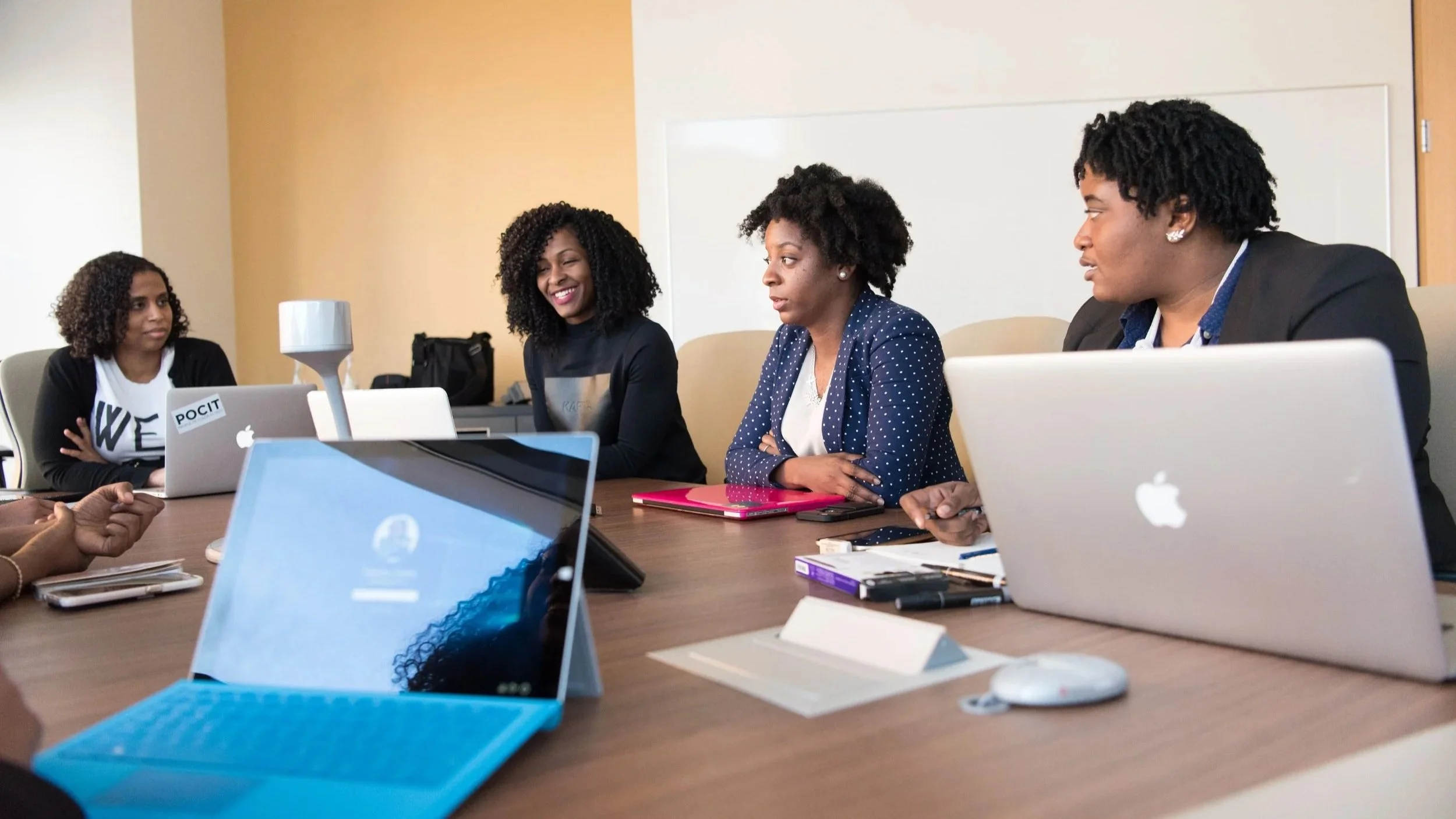
When educators hear the term interprofessional collaboration, they often think about special education eligibility meetings, threat assessments, or crisis response teams. While these are important examples of professionals working together, they represent only a fraction of what collaboration can and should look like in schools.
Interprofessional collaboration occurs when professionals from different disciplines intentionally work together to solve problems, design interventions, and improve student outcomes. Each professional brings a unique lens to understanding student needs. Administrators understand systems and resources. School psychologists contribute expertise in assessment, learning, and problem-solving. Social workers provide insight into emotional well-being, family dynamics, and local resources. BCBAs analyze behavioral patterns and develop strategies to increase desired behaviors while reducing obstacles to learning.
When these professionals work together regularly, schools gain a more complete understanding of students and can develop interventions that are comprehensive rather than fragmented. This shared approach also helps ensure that instructional and behavioral strategies are working toward the same goals rather than operating independently.
Unfortunately, many schools only access this expertise when a student qualifies for special education services or when a situation escalates to a crisis. This creates a reactive model in which supports are delivered after significant obstacles have already emerged. Imagine the impact if schools leveraged this collective expertise earlier in the process—before students experience repeated failure, chronic absenteeism, behavioral incidents, or psychological health crises.
The reality is that every school serves students with complex academic, behavioral, and social-emotional needs, regardless of whether they have an IEP. Restricting access to specialized expertise based solely on eligibility status limits our ability to provide preventative and responsive support for all learners.
“Interprofessional collaboration occurs when professionals from different disciplines intentionally work together to solve problems, design interventions, and improve student outcomes. ”
MTSS: A Framework for Meaningful Collaboration
The Multi-Tiered System of Supports (MTSS) provides an ideal framework for interprofessional collaboration because it is built on the belief that student success is a shared responsibility.
At Tier 1, collaborative teams can examine schoolwide data to identify trends related to attendance, behavior, course performance, and social-emotional wellness. Together, they can design universal supports that benefit all students.
At Tier 2, interdisciplinary teams can identify students who may need targeted interventions and monitor progress over time. Instead of relying on a single professional to solve a problem, teams can combine their expertise to develop more effective interventions. Regular progress reviews also allow teams to adjust interventions more quickly when students are not responding as expected.
At Tier 3, collaboration becomes even more critical. Students with intensive needs often require coordinated support plans that address academics, behavior, emotional well-being, family engagement, and local resources. No single discipline possesses all of the knowledge necessary to address these challenges effectively.
The most successful MTSS teams establish dedicated meeting times, clearly defined roles, and structured problem-solving protocols. They use data to guide decisions while remaining open to a wide range of perspectives. Most importantly, they view collaboration as an investment rather than an interruption. When these structures become routine, collaboration becomes more efficient, and decisions become more consistent across the school.
“The most successful MTSS teams establish dedicated meeting times, clearly defined roles, and structured problem-solving protocols.”
A Call to Action
As schools continue to face increasing student needs and limited resources, we cannot afford to operate in silos. The expertise exists within our districts, but we must create systems that allow professionals to access and share that expertise before students reach a crisis point.
What if school psychologists consulted on Tier 2 interventions before a referral was made? What if BCBAs partnered with general education teams to address challenging behaviors proactively? What if social workers, administrators, and teachers routinely analyzed student data together to identify obstacles before they became chronic?
The future of student support is not found in a single profession. It is found in our ability to intentionally collaborate, challenge one another's thinking, and leverage our collective expertise in service of every student.
The question is not whether collaboration is valuable. The question is whether we are willing to prioritize the structures, time, and resources necessary to make it happen.
“The future of student support is not found in a single profession. It is found in our ability to intentionally collaborate, challenge one another’s thinking, and leverage our collective expertise in service of every student.”