How Districts Can Grow School-Ready BCBAs
Written by Heather Volchko, BCBA
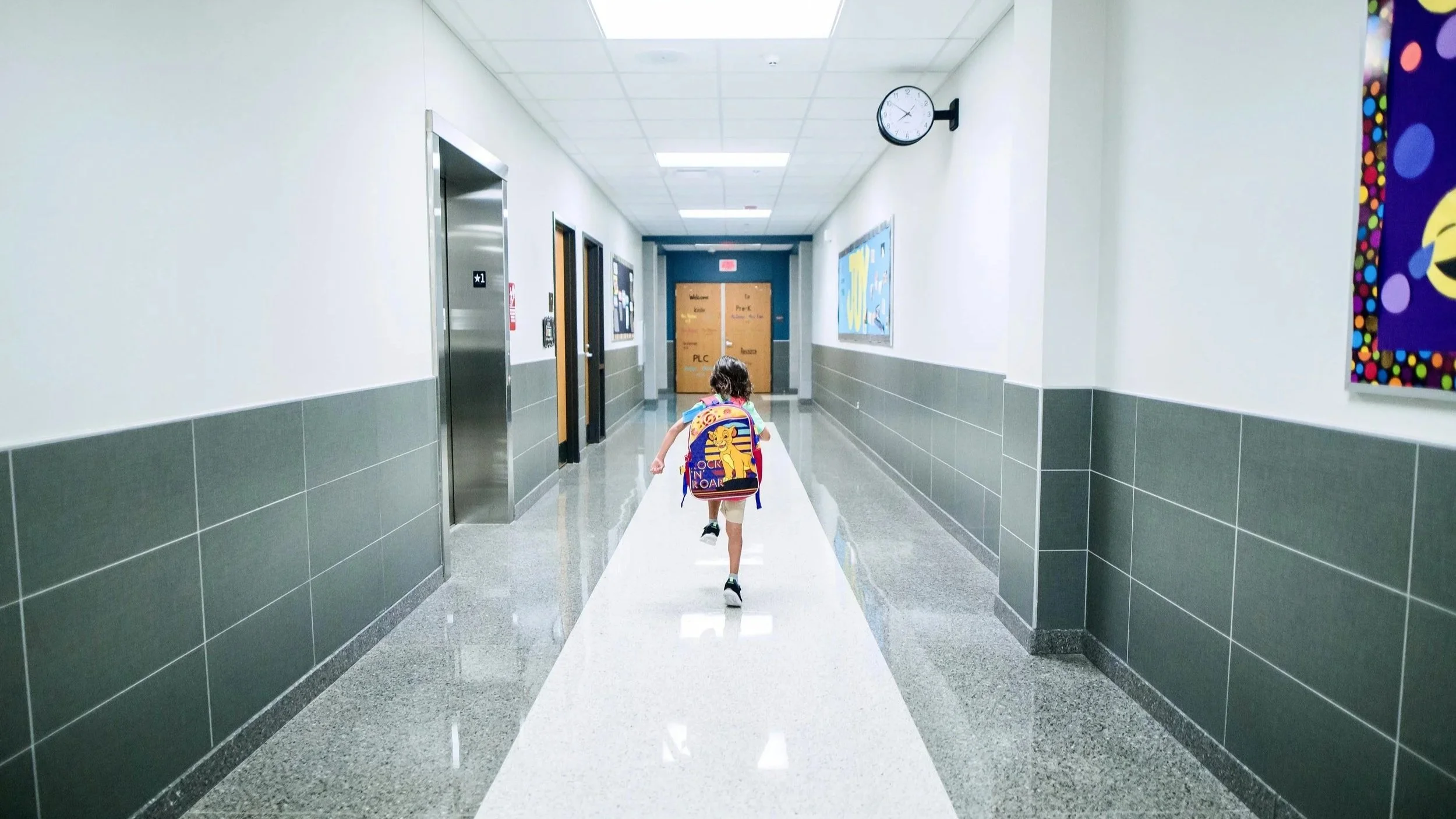
If we want more BCBAs who thrive in schools, we have to intentionally design for that outcome and grow them inside the realities of schools. We cannot continue to hope that clinic-trained analysts will “figure out” public education once they are hired. Ultimately, this is not behavior analysis applied to schools - this is behavior analysis built for schools.
Public schools are not diluted clinical settings. They are complex, politicized, resource-constrained systems shaped by law, staffing patterns, local expectations, and competing initiatives. A BCBA who excels in an early intervention clinic can feel blindsided by union contracts, IDEA timelines, IEP documentation demands, bell schedules, and the reality that success depends less on direct control and more on influence.
If your district is ready to move from reactive hiring to long-term capacity building, this is where the work begins.
What “Future-Ready” Actually Means
A future-ready school-based behavior analyst requires more than technical competence. They require systems fluency.
In practice, they demonstrate this by consistently doing the following:
Understanding how IDEA, FAPE, LRE, and IEP processes actually unfold in busy districts—not just how they appear in textbooks.
Working across tiers of support (MTSS/PBIS), not just intensive individual plans.
Navigating staffing shortages, turnover, packed schedules, and system pressures while maintaining ethical practice.
Communicating behavior science in ways that teachers and administrators can implement without feeling overwhelmed.
This is a different professional profile from a clinic-based analyst. And if this is the type of practitioner your district needs, there must be supervision and training pathways that explicitly reflect that reality.
If you are a university instructor in a BCBA-prep program, take a hard look at your current training model. Does it intentionally prepare future analysts for public school realities - or assume they will adapt from the medical model later?
Normalize “School Constraints” and Systems Thinking Early
Future school-based BCBAs must be ready to adapt in the messiness. Bells interrupt conversations. Data sets are imperfect. Paraprofessional coverage shifts daily. IEP meetings are layered with emotion, timelines, and legal nuance.
These are not obstacles to work around after certification. They are variables to train within.
Supervision and coursework should explicitly address:
What cannot be changed versus what must be worked around.
How to build behavior plans that survive teacher turnover.
How to design supports that reduce teacher load rather than add to it.
How to present recommendations that administrators can realistically approve.
One non-negotiable skill is essential in every supervision rubric: If it’s technically perfect but operationally impossible, it fails. When trainees internalize that principle early, they build interventions that live beyond the report.
Because schools are systems - not treatment rooms.
“One non-negotiable skill is essential in every supervision rubric: If it’s technically perfect but operationally impossible, it fails.”
As a result, aspiring behavior analysts who are only trained at the individual-student level often burn out because they have not been taught to see leverage points beyond the individual. Strong pipeline programs intentionally teach future analysts to think in tiers, to analyze how schedules and staffing patterns affect behavior outcomes, and to view prevention as an ethical obligation rather than an optional enhancement.
When analysts learn to think in MTSS tiers rather than in isolated cases, design supports that stabilize adult systems, and align behavior plans with instructional priorities, they reduce burnout rather than contribute to it. They become welcomed partners in districts. And they are more likely to stay long-term.
Embed Practicums in Real School Contexts
Imagine a candidate who spends two or three semesters embedded in K-12 schools under the guidance of experienced leaders in school-based behavioral sciences. They attend IEP meetings and manifestation determinations. They conduct functional assessments using school-available data. They coach teachers and administrators. They write recommendations that must fit within a school day, not an idealized treatment block.
By the time you hire them, they already understand interdisciplinary hierarchies, tiered support systems, and how to design plans teachers can actually implement. That candidate does not require months of contextual onboarding.
This is why practicums shape practitioners’ professional character. If supervision ignores school realities, trainees won’t be ready - or willing - to stay. When school-based practica are optional add-ons, students graduate without meaningful exposure to the realities of public education. Strong partnerships embed school-based fieldwork into the training experience itself. Oversight should be provided by experienced school-based BCBAs, not simply credentialed analysts unfamiliar with district dynamics. Coursework should address the realities of the workload, ethical considerations in public education, and implementation constraints.
Technical correctness and practical success are not the same thing. School-based practicums are where that distinction becomes clear.
If you are an aspiring school-based behavior analyst and your university does not yet have a structured school-based fieldwork pathway, start the conversation!
“Technical correctness and practical success are not the same thing. School-based practicums are where that distinction becomes clear.”
Grow the Pipeline From Within
A strong pipeline of school-based behavior specialists isn’t built by asking, “Who wants to be a BCBA?” It’s built by asking, “Who already understands schools - and wants better tools to serve them?”
Some of the strongest future school-based behavior analysts are already in our public education buildings. Special educators, related service providers, paraprofessionals, and case managers understand district culture and student populations. What they often lack is a supported pathway to formal behavior-analytic training.
“Some of the strongest future school-based behavior analysts are already in our public education buildings. Special educators, related service providers, paraprofessionals, and case managers understand district culture and student populations.”
Districts can strengthen their pipeline by:
Identifying high-potential staff and offering tuition assistance or stipends.
Tying financial support to a post-certification service commitment.
Creating stepping-stone roles (e.g., Behavior Specialist) that gradually shift responsibilities while supervised hours accrue.
This approach preserves operational knowledge while layering advanced behavior science into the system. Even when districts build this pathway, retention still fails if the role itself is poorly structured.
However, new school-based BCBAs often leave when they feel isolated, pigeonholed into crisis response, or underutilized at the systems level. Retention begins during training. Trainees should be treated as future colleagues, not temporary labor. Mentorship should extend beyond hours tracking. Clear professional growth pathways should be visible from the start.
When behavior analysts see a future for themselves in schools, they deepen their expertise and mentor the next generation. When they feel valued as systems contributors - not just crisis responders - they stay.
If you’re a district leader considering how to build or sustain internal behavioral expertise, build a visible three-year professional growth pathway for your school-based behavior specialists. Show them the future before they look elsewhere.