Holding Compassion Without Carrying It Alone
Written by Lathyrelle Isler, MSEd, SSP
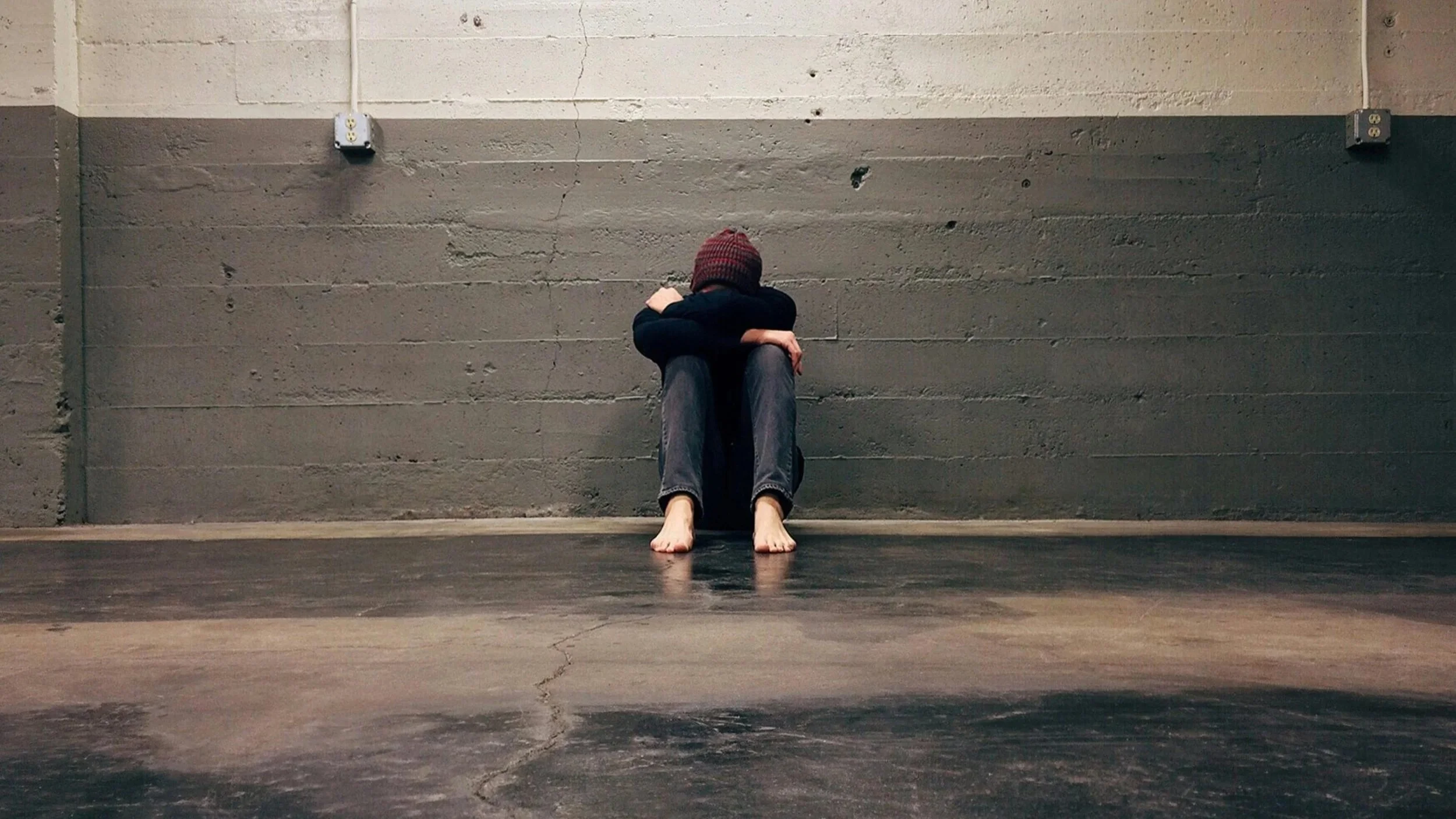
There is a particular kind of exhaustion educators carry when they are supporting a student who is clearly unsafe in a general classroom, yet does not meet the criteria for residential placement. It is the exhaustion of holding risk without adequate authority, compassion without sufficient capacity, and responsibility without enough options.
If you have ever thought, “This student needs more than we can provide, but not in the way the system recognizes”, you are not failing. You are standing in one of the most difficult gaps in educational and psychological health systems. In this article, we will cover some supports to help educators navigate that space.
“If you have ever thought, “This student needs more than we can provide, but not in the way the system recognizes”, you are not failing.”
First, acknowledge and name it without placing blame. Some students are not yet able to function safely in a traditional classroom setting due to severe emotional dysregulation, aggression rooted in a history of hardship, special needs, or unmet psychological health needs, impulsivity that poses real safety risks, or chronic fight-or-flight responses that overwhelm learning environments. Acknowledging this reality is not giving up on engagement. It is recognizing that placement must match capacity, for the student and for the adults supporting them.
Safety is not optional. It is foundational.
“Safety is not optional. It is foundational.”
Option 1: Therapeutic or Alternative School Programs (Without Residential Placement)
Many districts offer therapeutic day programs or alternative placements that provide smaller class sizes, embedded psychological health professionals, structured routines, predictable environments, and explicit instruction in regulation and coping skills. These settings can be powerful bridges, not punishments, when framed correctly. They offer students the chance to stabilize while remaining connected to education, family, and community.
Option 2: Partial Day or Gradual Reincorporation Models
For some students, full-day classroom expectations are the problem, not the learning itself. Possible approaches include shortened school days, partial placement in a therapeutic space, gradual reintegration plans tied to regulation rather than compliance, and flexible scheduling that aligns with the student’s nervous system capacity. This option requires strong coordination and clear communication, but it honors the principle that healing and learning happen in stages. Teams should involve families and the school to ensure realistic timelines are in place and adhered to by all.
Option 3: Intensive Wraparound and Local Supports
When residential care is not indicated, wraparound services can provide critical scaffolding, including in-home therapy, local mental wellbeing services, behavior specialists, and case management that coordinates school, family, and providers. While schools cannot carry this alone, they play a key role in advocating, documenting, and collaborating. When systems work together, students are less likely to fall through the cracks.
Option 4: Temporary Crisis or Stabilization Placements
Short-term crisis placements, where available, can offer immediate safety, emotional stabilization, and assessment of deeper needs. These are not long-term solutions, but they can prevent escalation and reduce harm when a student is in acute distress. Importantly, this option acknowledges something educators often feel but hesitate to say: ”This situation is beyond what a classroom can safely hold right now.”
Option 5: Reevaluating Supports and Eligibility
Sometimes a student does not “qualify” for residential or intensive services because systems define eligibility narrowly. In these cases, schools can reassess special education eligibility or service intensity, update Functional Behavior Assessments through a healing-centered lens, document patterns of risk rather than isolated incidents, and support collaboratively, persistently, and ethically. Eligibility is not static. Neither are student needs.
“Unsafe students are often suffering deeply. That truth can coexist with another; educators cannot be the containment system for uncontained pain.”
Schools can support their staff by being supportive and making them feel heard and understood. Educators need to hear that they are not cruel for acknowledging limits. They are not failing a student by prioritizing safety. They are not obligated to absorb ongoing harm to force participation. They are allowed to endorse environments that protect everyone. Ultimately, educators need to know that the goal is not to “remove” students but to place them where growth is possible.
Unsafe students are often suffering deeply. That truth can coexist with another; educators cannot be the containment system for uncontained pain. When a student cannot safely access a regular classroom, the most therapeutic choice may be a different environment, not as rejection, but as care.
If you are navigating this dilemma, you are not alone. You are standing at the intersection of compassion, ethics, and reality. This is one of the hardest places in education to stand. And it is okay to say: “This student deserves more than what this setting can give right now.”
This is not giving up; it is advocating wisely.