The Placement Can Be Virtual - The Planning Cannot Be Siloed
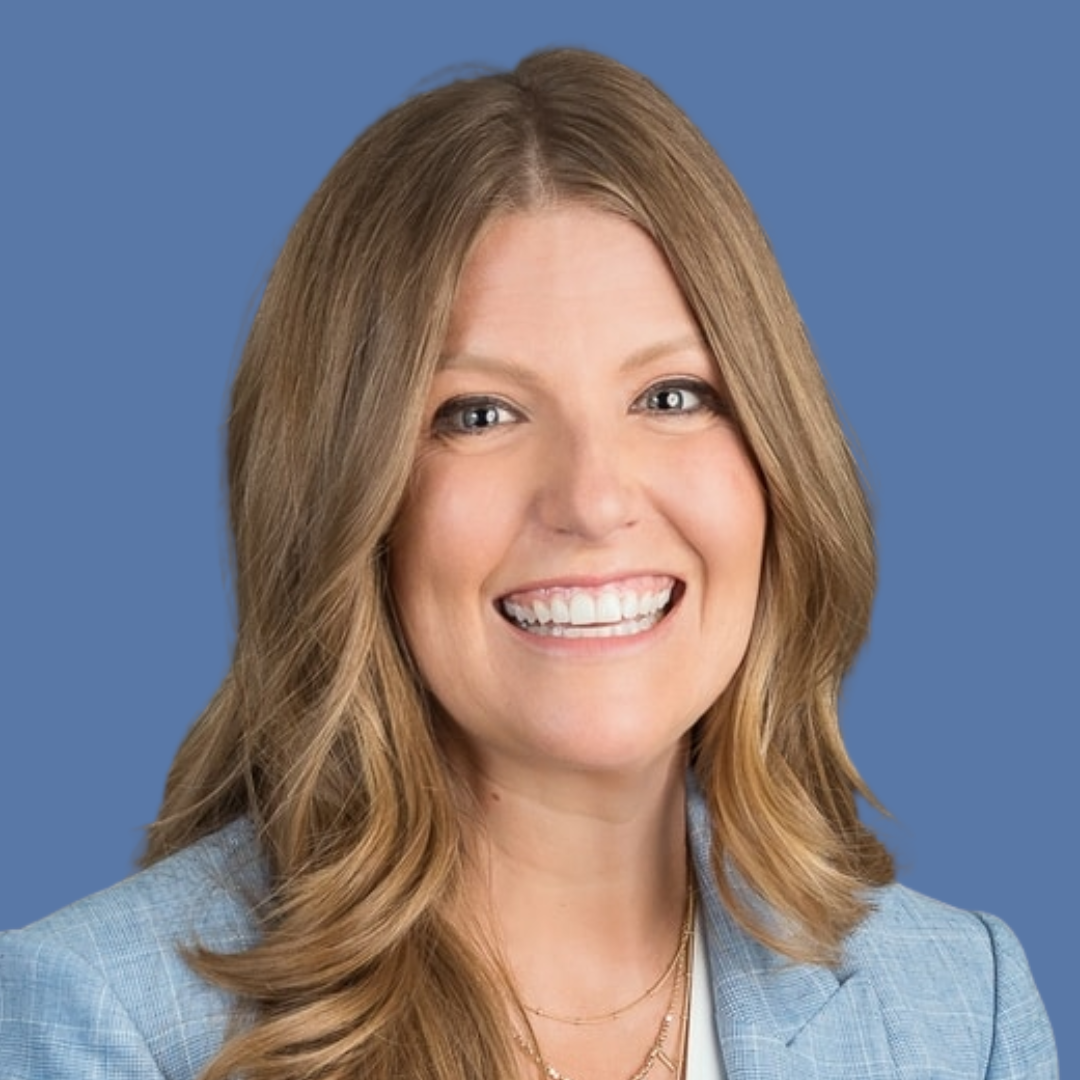
Written by Special Guest, Lyndsay Palach Shelton, MA, LBSII
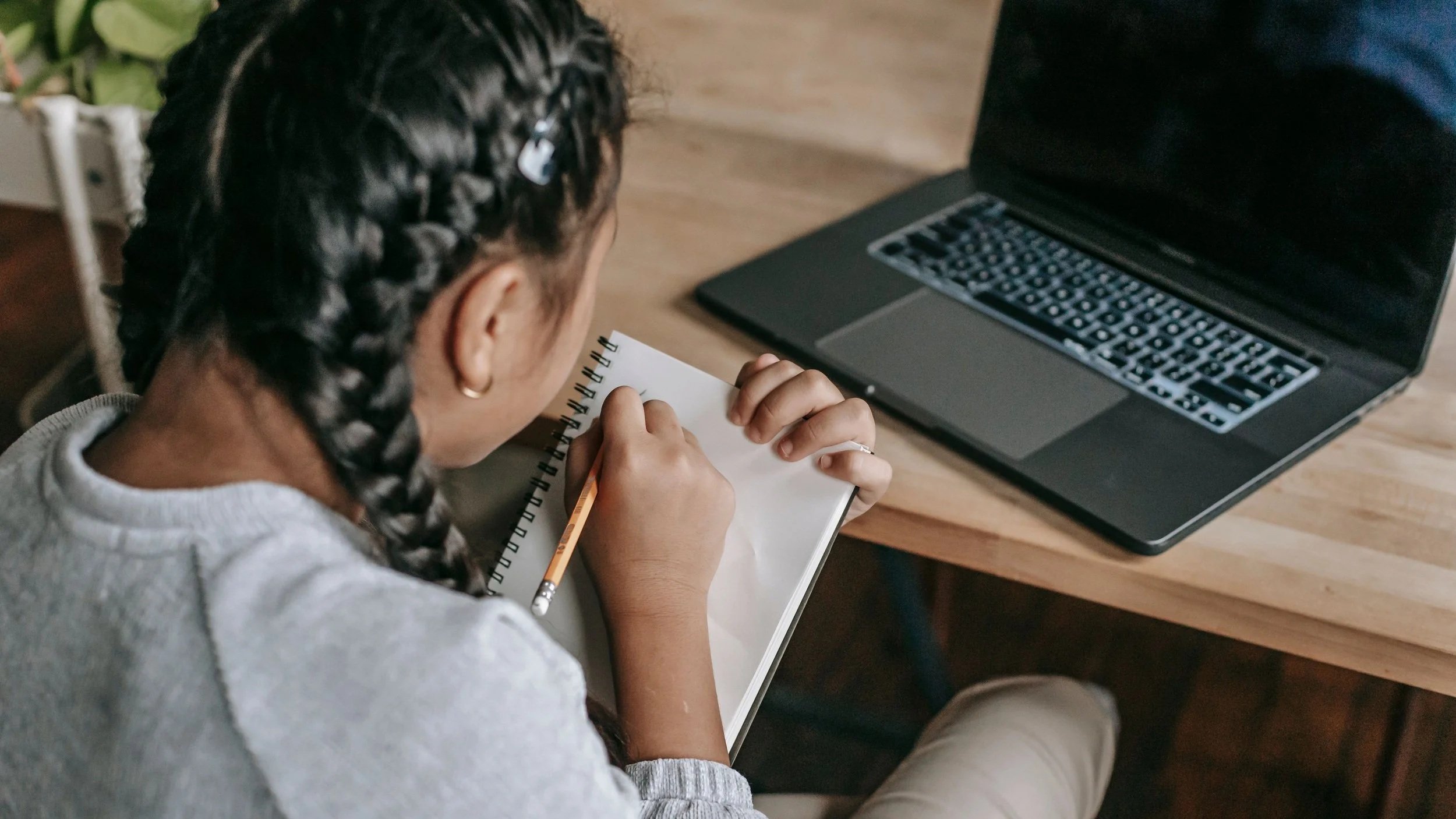
When we talk about virtual therapeutic placements, the conversation can sometimes become overly focused on the fact that the student is learning virtually.
But I think we need to ask a different question:
Is this placement helping the student move toward where they want to go?
For many students, a virtual therapeutic program can be an appropriate, supportive, and highly valuable educational option. It may provide the flexibility, therapeutic support, individualized instruction, or environment a student needs to make meaningful progress.
Virtual does not mean disconnected. In fact, with the right collaboration, a virtual placement can be an important part of a student's larger educational journey.
The placement can be virtual. The planning cannot be siloed.
Collaboration Starts at the Beginning
One of the biggest misconceptions about transition planning is that it begins when a student is preparing to return to their home school. From my perspective as a Transition Specialist, meaningful transition planning should begin when the student enters the virtual therapeutic placement and continues throughout the placement.
The Council for Exceptional Children (CEC) emphasizes collaborative planning and problem-solving when students with exceptionalities are learning in fully online, hybrid, or other technology-supported environments. CEC also highlights the importance of implementing Individual Educational Plans (IEPs) with fidelity across varied environments and maintaining continuity of services.
That means the home school team and virtual therapeutic team should not operate as two separate systems.
Each team brings valuable information to the table.
The virtual team may have a close understanding of the student's current functioning, progress, therapeutic needs, and emerging skills. The home school team understands the student's educational network, available services and programs, relationships, and the practical realities of returning.
Neither team has the complete picture on its own.
The best collaboration happens when everyone recognizes that they are working toward the same goal: the student's success.
What Does Collaboration Actually Look Like?
Collaboration doesn't have to mean another meeting on everyone's already-full calendar.
It can look like regular email communication and check-ins, shared documentation, transition meetings, student interviews, staff consultation, progress monitoring, and conversations about the transition services and programs available through the home school.
Depending on the student and the program, it may also include gradual exposure to the home school, phased re-entry, or opportunities for the student to reconnect with people and environments that will be part of their next chapter.
Most importantly, collaboration should include the student and family.
Families can sometimes feel caught between two systems. They may hear different terminology, have questions about who is responsible for what, or feel overwhelmed by the number of professionals involved.
That is where a Transition Specialist can help connect the dots.
The Transition Specialist as the Connector
As a Transition Specialist, I see my role as facilitating communication between the virtual placement and the home school team, helping the school prepare for the student's return, and most importantly, helping the student and family navigate the process.
Sometimes that means asking the question everyone has been thinking about but hasn't asked yet.
Sometimes it means making sure information gets from one team to another.
And sometimes it means helping everyone step back from the immediate challenge and ask, “What are we ultimately preparing this student for?”
That question is critical.
The Division on Career Development and Transition's Competencies for Transition Specialists describes transition practice as comprehensive, evidence-informed, and tailored to the student. The competencies emphasize collaborative partnerships, student and family engagement, and alignment of transition services with post-school goals in education, employment/training, and local engagement.
That is exactly how I think we should approach virtual therapeutic placements.
The goal isn't simply to make the student successful in the virtual program.
The goal is to help the student make progress toward the life they are building beyond it.
“The goal isn’t simply to make the student successful in the virtual program. The goal is to help the student make progress toward the life they are building beyond it.”
Avoiding the “Someone Else Will Handle It” Problem
I see a few collaboration challenges repeatedly.
One is an understandable tendency to focus heavily on academics. Academic progress matters, but transition is about much more than grades, assignments, and credits.
Another is assuming that someone else is responsible for transition planning.
The virtual team may assume the home school is handling it. The home school may assume the virtual program is handling it. Meanwhile, the family is left overwhelmed and trying to figure out what happens next.
That is exactly what strong collaboration should prevent.
Transition is not one person's job. It is a shared responsibility of the entire IEP team, with the student and family at the center.
Look Beyond the Next School Year
When I think about successful transition, I don't stop at asking whether a student can return to their home school full time.
I ask: What are we preparing them to do after that?
Education, employment, and local access are interconnected. The skills students need to navigate their future don't suddenly appear when they graduate.
That gives us another reason to keep the home school team connected during a virtual placement.
A student's transition plan should continue to ask:
What skills is the student developing?
How will those skills transfer to home, school, and beyond?
What opportunities are available for career exploration?
What supports will the student need to become more independent?
How can we help the student practice speaking up for themselves?
What does the student want their future to look like?
Those conversations help transform transition from a return-to-school plan into a plan for adulthood.
“A successful transition isn’t simply a student walking back through the doors of their home school. It is a student returning to their home setting equipped with the tools, skills, relationships, and supports they need to take their next leap into adulthood.”
Success Means Moving Forward
Ultimately, I define successful collaboration as the entire IEP team working toward the student's and family's goals.
A successful transition isn't simply a student walking back through the doors of their home school.
It is a student returning to their home setting equipped with the tools, skills, relationships, and supports they need to take their next leap into adulthood.
And collaboration shouldn't automatically end when the student returns.
Follow-up matters. Teams may need to communicate about what is working, address challenges, adjust supports, and continue helping the student and family navigate the transition.
A virtual therapeutic placement is not a detour from a student's educational journey. For some students, it may be exactly the environment they need at a particular point in time.
Our responsibility is to make sure that, wherever a student is learning, we remain connected to where they are going.
Transition is the whole point of education.
“Our responsibility is to make sure that, wherever a student is learning, we remain connected to where they are going.”