Written by Alea Pattrone, BA, CLSSBB
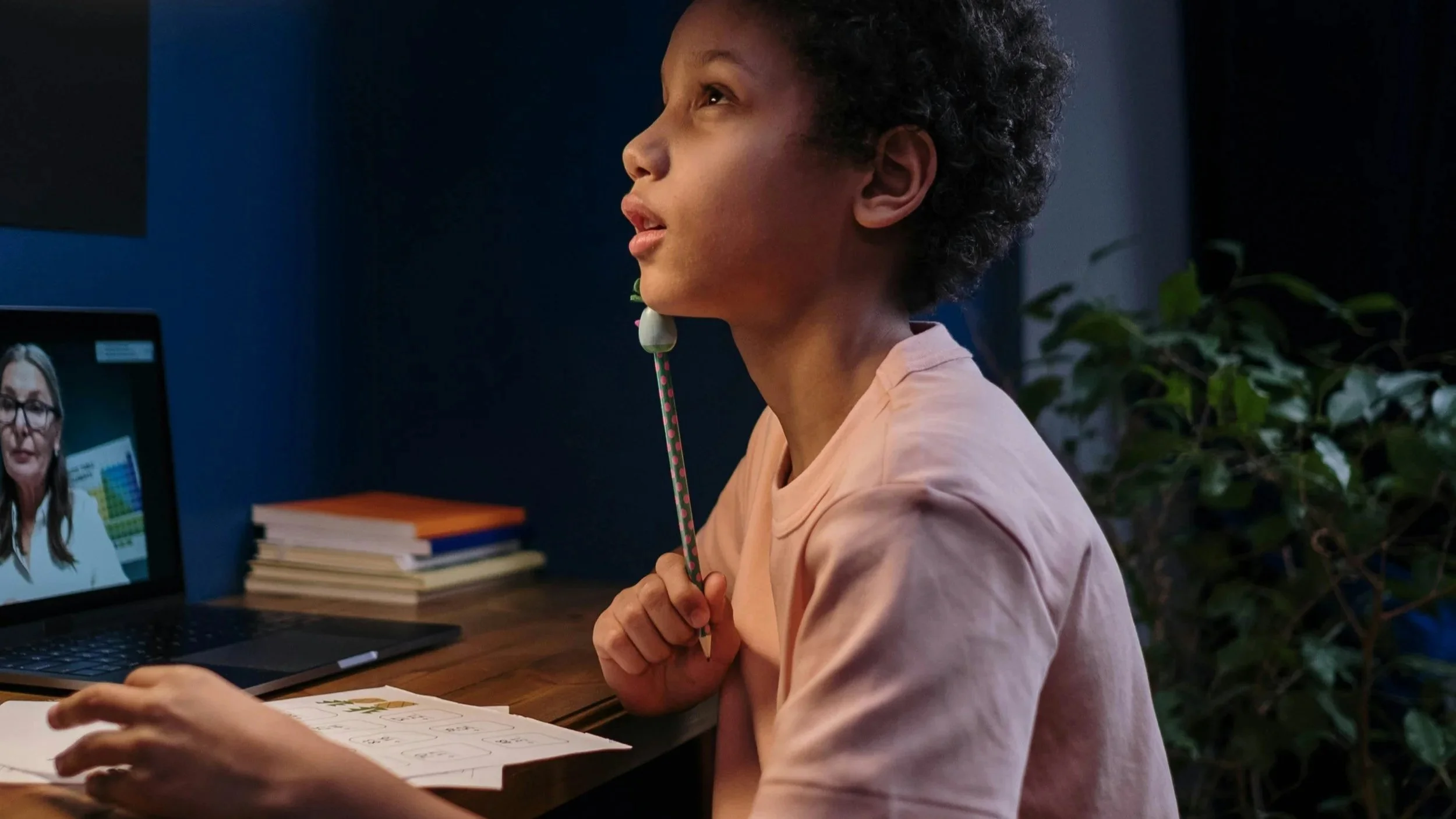
As virtual and hybrid learning become lasting parts of education, an important question continues to arise: “How do we truly measure student progress when learning doesn’t always happen in a traditional classroom?”
For students with complex academic, behavioral, or emotional needs, progress is rarely defined by test scores alone. In virtual and hybrid therapeutic education programs, meaningful progress shows up through a combination of data, daily behavior, engagement, and human connection.
“In virtual and hybrid therapeutic education programs, meaningful progress shows up through a combination of data, daily behavior, engagement, and human connection. ”
What Progress Looks Like on Paper
Concrete data still plays an essential role in evaluating the impact of therapeutic education programs. While qualitative assessments provide valuable insight into individual experiences and subjective well-being, the objective, measurable nature of data is critical for program accountability and continuous improvement.
Therefore, many therapeutic education programs rely on a mix of these measurable indicators to systematically track progress and outcomes for their participants:
Academic Growth
Curriculum-based measurement and progress-monitoring tools help teams track skill acquisition over time rather than relying on one-time assessments. It has been consistently shown that frequent low-stakes progress monitoring leads to more responsive instruction.
Behavioral Data
Tracking patterns such as frequency, duration, or intensity of behaviors allows educators and behavior specialists to evaluate whether interventions are effective and make timely adjustments as necessary.
Engagement and Attendance
Login consistency, task completion, and time spent engaged in instruction provide insight into a student’s ability to access learning. This is often a foundational step before academic growth can occur.
Individualized Goal Tracking
Many programs use a personalized goal framework to measure progress in small, meaningful increments rather than solely relying on standardized benchmarks. These data points help teams answer the question: “Is this approach working, and if not, what needs to change?”
The Progress You Don’t Always See in a Data Chart
Some of the most impactful growth in therapeutic education is harder to quantify, but no less important.
Improved Self-Regulation
Students may begin identifying their emotions, using coping strategies, or recovering from frustration more quickly, especially during challenging or unexpected moments.
Growing Independence
Logging in independently, navigating digital tools, or completing routines with less support are powerful indicators of growth, particularly in virtual environments.
Stronger Communication and Persistence
Willingness to try, make mistakes, and re-engage after setbacks often reflects deeper progress than any single academic score. These changes are best captured through observation, reflection, and collaboration among educators, specialists, and families.
How Technology Supports Progress Monitoring
Educational technology is rapidly expanding, fundamentally changing both the learning process and how we measure student progress. This technology provides educators with flexibility and personalization, along with built-in data analytics that offer real-time, detailed insights into student performance.
Tablets, learning platforms, and virtual tools now make it possible to:
Collect data in real time
Visualize trends over weeks or months
Share insights across educators and specialists
Adjust instruction more quickly based on student needs
When used intentionally, technology enhances collaboration rather than replacing professional judgment. It allows teams to respond faster, personalize instruction, and stay connected even when learning happens remotely.
“When used intentionally, technology enhances collaboration rather than replacing professional judgment. It allows teams to respond faster, personalize instruction, and stay connected even when learning happens remotely.”
Progress Is a TEAM Effort
Progress is most meaningful when it's shared. No single metric or professional can fully capture a student’s growth.
When educators, behavior specialists, families, and support teams collaborate, students benefit from consistent strategies, aligned goals, and a stronger support system. This collaborative approach is especially critical in virtual and hybrid therapeutic programs where communication & connection must be built intentionally.
Progress may not always be linear, and it may not always be easy to measure, but when we honor both the data and the human growth behind it, we create learning environments where students can thrive.
Together, we can continue redefining what progress looks like in modern education; one student, one educator, and one meaningful step at a time.
“Progress may not always be linear, and it may not always be easy to measure, but when we honor both the data and the human growth behind it, we create learning environments where students can thrive.”
