When Behavior Speaks: How Teachers Can Listen and Respond
Written by Ann Potter, MSM, MEd
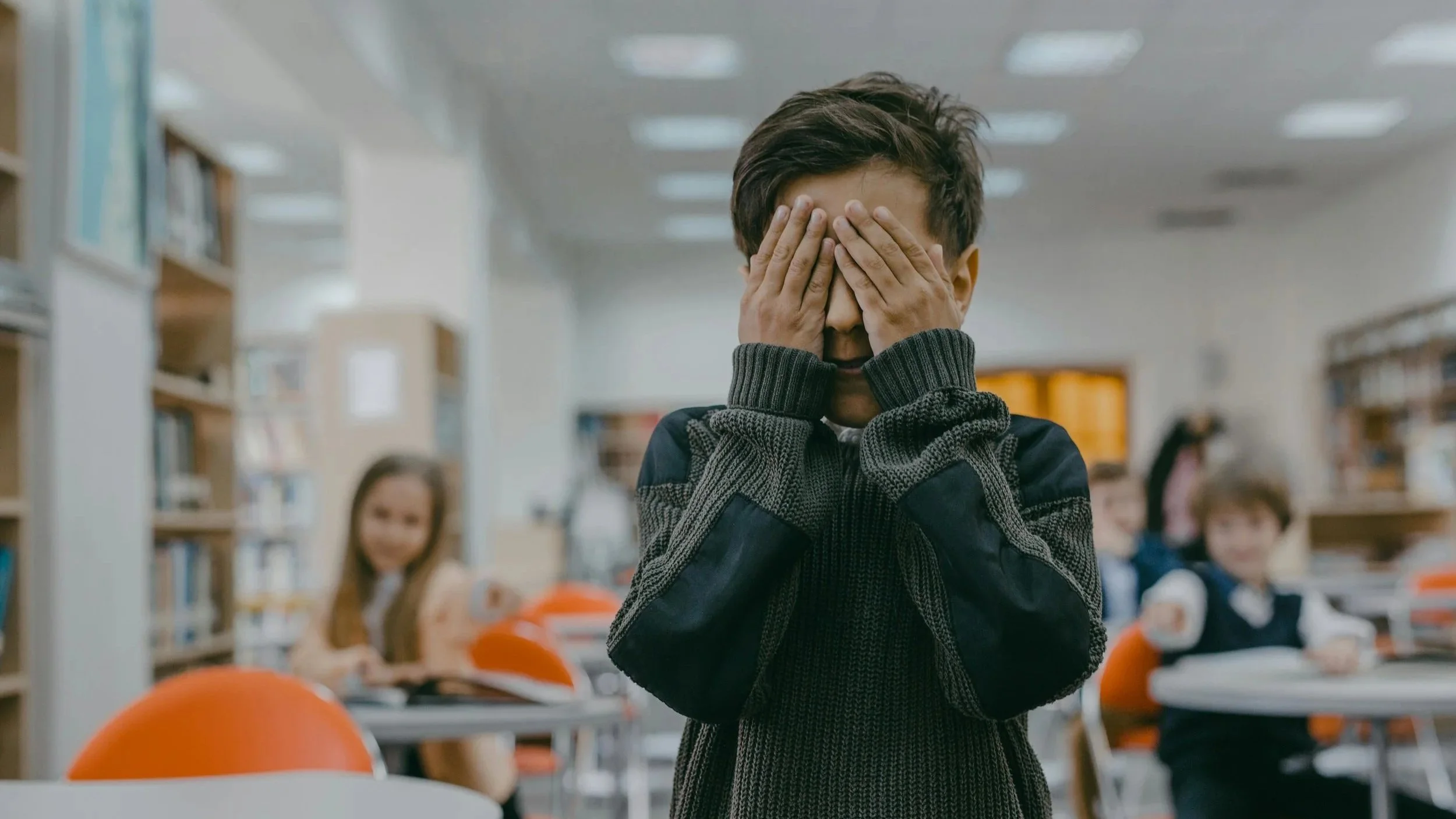
Public schools today face a growing array of behavioral challenges among students. The behaviors may range from disruptive conduct and inattentiveness to defiance and aggression. These behaviors can arise from a variety of factors, including developmental delays, a history of hardship, unmet emotional needs, undiagnosed learning difficulties, or socioeconomic stressors. While these behaviors often draw negative attention, they also represent opportunities—chances for schools to reflect, adapt, and transform both student outcomes and a school’s environment.
To transform behavior challenges into opportunities, public schools must first acknowledge that behavior is a form of communication. As a classroom teacher, I need to understand that when a student demonstrates a particular behavior, they are telling me something—sending me a signal…possibly in the only way they know how. A quiet, apparently attentive and engaged student may be communicating that they understand the material and concepts being presented, or they may have no clue and are trying very hard to fly under the radar. A disruptive student may be communicating they are not following the lesson because they lack the background to understand the material, they have a learning delay that prevents them from processing the material in the way it is being presented, they understand the material and have exceeded their patience waiting to move on to a new topic, or they are under emotional stress due to something happening outside of the school setting. As educators, we wear many hats, including teachers who guide students to learn and develop new skills, and detectives who seek solutions among methods and techniques that provide students with the best opportunities to learn and develop those skills. We must make every effort to read the signals that identify unmet needs, different learning styles, and areas where additional support is required, and then seek a plan to respond to those signals, providing a pathway for the student to learn, adapt, and grow.
“As a classroom teacher, I need to understand that when a student demonstrates a particular behavior, they are telling me something—sending me a signal…possibly in the only way they know how.”
Okay. So if I accept that a disruptive student is telling me they are struggling in my classroom, the only way they know how, what do I do next to both help them and keep the rest of the class engaged and moving forward in their learning? This is where I need to be a detective and learn everything I can about the student to seek an understanding of the underlying cause of the behaviors. I need to review the student’s background, academic history, any suspected or identified learning delays, the academic accommodations that have been implemented, any behavioral assessments or interventions conducted, and any socioeconomic, emotional health, or local stressors that may be affecting the student outside the school setting. The goal is to obtain as complete a picture of the student as possible, so that we can begin the process of identifying behavior triggers and developing a plan to help the student thrive and grow in a school setting. If I cannot identify causes and triggers of the behavior, I cannot help the student develop coping skills that give them a better chance of succeeding in a school setting.
“The goal is to obtain as complete a picture of the student as possible, so that we can begin the process of identifying behavior triggers and developing a plan to help the student thrive and grow in a school setting. ”
In a post-pandemic world, I have experienced significantly more angry outbursts, defiant refusals to do any number of tasks, and aggressive responses than I remember from pre-pandemic times. I have come to realize that during pandemic times, many of the socio-emotional skills that students traditionally developed at home and inside and outside of a school setting never had the opportunity to do so. As a result, I was expecting students to come to school with a set of skills that they do not possess. I now recognize this gap and welcome the opportunity to intentionally help students develop these essential coping skills.
I intentionally build explicit socio-emotional lessons into my teaching routine. I cannot expect students to demonstrate behaviors they have never seen, have no experience with, or knowledge of. Compromise, negotiation, and managing strong feelings are skills that are needed to succeed in many settings, and they are often underdeveloped in many students. I strive to model calm, respectful responses in virtually all my interactions with my students. It often seems like students who exhibit loud, disruptive behaviors expect a loud, disruptive response…because that is what they are used to. It seems to confuse them when that does not happen. When I had a student scream, “You are the worst teacher ever!” and I responded calmly, “That may be, but I am your teacher and I care about your learning,” they weren’t quite sure what to do. I have found that meeting anger with calmness often de-escalates the situation and is a step forward in establishing a trusting relationship, which forms the foundation for increased student engagement and improved behavioral choices.
In dealing with challenging students, I have made a conscious shift in the language I use during my interactions. I intentionally use positive language whenever possible. When a student is struggling, I acknowledge that the task is difficult for them and emphasize that they are capable, but the task does require much effort. I then work with the student to help them lay out a plan of attack that guides them to make progress. There are times when success is measured by progress, not mastery; as a teacher, I need to provide the scaffolding that supports that progress. I try to avoid telling a student to “Stop doing <fill in the behavior>”. It does not give a challenging student explicit guidance on what they should be doing. Instead of “Stop tapping your pencil on your desk”, I put a bean bag on the desk and say, “Tap your pencil here”. Instead of “Stop running”, I say “Walk slower” because every student believes they are moving at an appropriate pace. By explicitly stating, teaching, and repeatedly practicing expected behaviors, challenging students have the opportunity to make more positive behavior choices and be more engaged in their learning at school.
“There are times when success is measured by progress, not mastery.”
Turning learning and behavior challenges into opportunities requires a shift in mindset—from seeing difficulties as problems to be fixed, to viewing them as pathways for connection, innovation, and transformation. It means recognizing that behind every struggling student is a complex, capable, worthy human being who needs support, not shame; structure, not control; and most importantly, a caring adult who believes in their potential.
As educators, we are in a unique position to lay the foundation for a young person’s relationship with learning and with themselves. When we welcome the opportunity within the challenge, we not only help students grow—we grow alongside them, becoming the educators they need and deserve.
