It Really Does Take a Village to Transform Education
Written by Manny Huecias, RBT
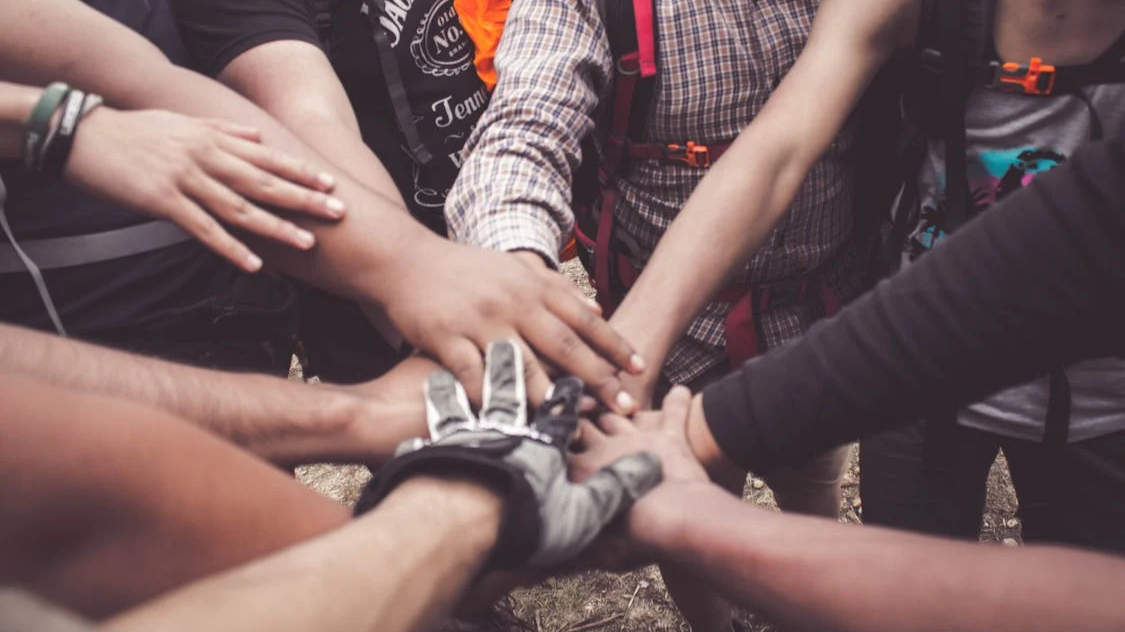
We say “it takes a village” a lot. Sometimes it’s a cliché, sometimes it’s a sigh. But in education, it’s a truth that sits deeper than most people realize. Real transformation doesn’t happen because of one great teacher, one new program, or one big initiative. It occurs when the entire network — teachers, paraprofessionals, principals, vice principals, administrators, parents, BCBAs, counselors, custodians, secretaries, nurses, security staff, and cafeteria workers — moves in the same direction.
Change doesn’t happen from the top down or the bottom up. It happens when every part of the system recognizes its power and responsibility in shaping what schools can become.
The Classroom is the Heart, But Not the Whole
The classroom is still where the heartbeat of learning lives. Teachers lead instruction, but they also model empathy, problem-solving, and perseverance. They carry the weight of meeting individual needs while juggling the demands of curriculum, assessments, and ever-changing expectations. They adapt in real time and keep trying even when progress feels slow.
Paraprofessionals make that possible. They see what others might miss — a look, a sigh, a brewing frustration — and step in before things unravel. They bridge plans with practice, connect academic goals to human moments, and remind everyone that relationships are the foundation of learning.
When teachers and paras work in rhythm, classrooms become living examples of collaboration in action. They show what it looks like when a school collective pulls together to help every learner move forward. That kind of teamwork doesn’t just support students; it models the kind of cooperation schools need to transform themselves.
“When teachers and paras work in rhythm, classrooms become living examples of collaboration in action.”
The Everyday Heroes
Transformation doesn’t happen in isolation. It happens in the hallways, lunchrooms, and front offices — in the places that make a school feel alive.
The custodian who fixes a desk before it breaks also builds trust with the students who stop to chat while they work. The nurse who listens to a student’s “headache” might be the first adult to recognize stress or fear. The security staff who greet students by name set a tone of safety that no rulebook can replicate. The lunch team knows who sits alone, who lights up when greeted, and who just needs an extra smile. The secretaries in the office are the anchors who keep everything moving, often holding more of the building’s emotional pulse than anyone else.
These adults may not be in lesson plans, but they shape the learning environment every day. Their consistency, kindness, and presence are the quiet forces that hold transformation together.
The Support Web
Behind every visible change is a network of specialists, coaches, and support staff who make it possible. Behavior consultants look at systems and patterns. Counselors and social workers help students and families navigate challenges that affect learning. Therapists and interventionists design tools and routines that allow access to learning for everyone.
This web of expertise keeps schools from being reactive and helps them grow into proactive, compassionate systems. True transformation happens when these roles don’t work in silos but weave their knowledge together into something more substantial.
The Home Connection
Schools can’t change alone. Families are the first teachers, and what happens at home echoes into every classroom. When schools and families trust each other, real progress takes root.
That trust grows through honesty and shared understanding. Parents know their children’s hearts better than anyone. Educators know how to guide their growth. When those two worlds meet — when families are invited in, not just informed — education becomes something that’s built with the locals, not merely provided to them.
“When schools and families trust each other, real progress takes root.”
Systems and Leadership
Principals and vice principals carry the responsibility of shaping culture every day. Their leadership determines whether collaboration feels encouraged or forced, whether staff feel supported or scrutinized. The best leaders don’t just manage buildings; they nurture ecosystems where people are empowered to lead from wherever they stand.
Transformation requires structure, but it also requires flexibility. Schedules, data, and policies can either create space for innovation or quietly smother it. When leadership prioritizes relationships, reflection, and real-time problem-solving, systems become living, breathing parts of change — not obstacles to it.
Strong leadership doesn’t create transformation alone. It gives the entire local collective permission to imagine something better together.
“When leadership prioritizes relationships, reflection, and real-time problem-solving, systems become living, breathing parts of change — not obstacles to it.”
Students as Partners
The most powerful changes in education happen when students are part of the process. When they understand why they are learning, and when they are trusted to voice their needs, they become co-creators of their own success.
Teaching students to communicate their needs and to see themselves as partners in the student body is how schools evolve beyond compliance toward empowerment. Transformation happens when schools shift from doing things for students to doing things with them.
Keeping the Village Connected
Sustainable change doesn’t come from grand gestures. It comes from daily collaboration — from people who communicate, share ideas, and stay curious together.
When staff feel connected, they can anticipate needs rather than react to crises. When trust replaces isolation, creative solutions emerge. A teacher trying a new strategy, a para noticing a better way to connect, a leader who listens instead of directing — these small moments add up. Over time, they reshape a building's culture and redefine what success looks like.
Transformation isn’t a single event. It’s a living practice that relies on relationships, reflection, and shared accountability.
Full Circle
“It takes a village” isn’t just about surrounding a student with support. It’s about creating an environment where they can learn, grow, and adapt together. Every role, from the bus driver to the principal, adds something vital to that process.
When those roles connect with intention and trust, education stops being a system of separate parts and becomes a living network of care and innovation. Real change doesn’t come from programs or mandates. It comes from people — people who show up, work together, and believe that better is always possible. It really does take a village to transform education.
“Real change doesn’t come from programs or mandates. It comes from people — people who show up, work together, and believe that better is always possible.”